
Diabetic Foot Care
Diabetic Foot &
Limb Preservation
Specialist vascular assessment for diabetic foot ulcers, poor circulation and complex lower-limb problems, with a focus on restoring blood flow, healing wounds and preserving the limb wherever possible.
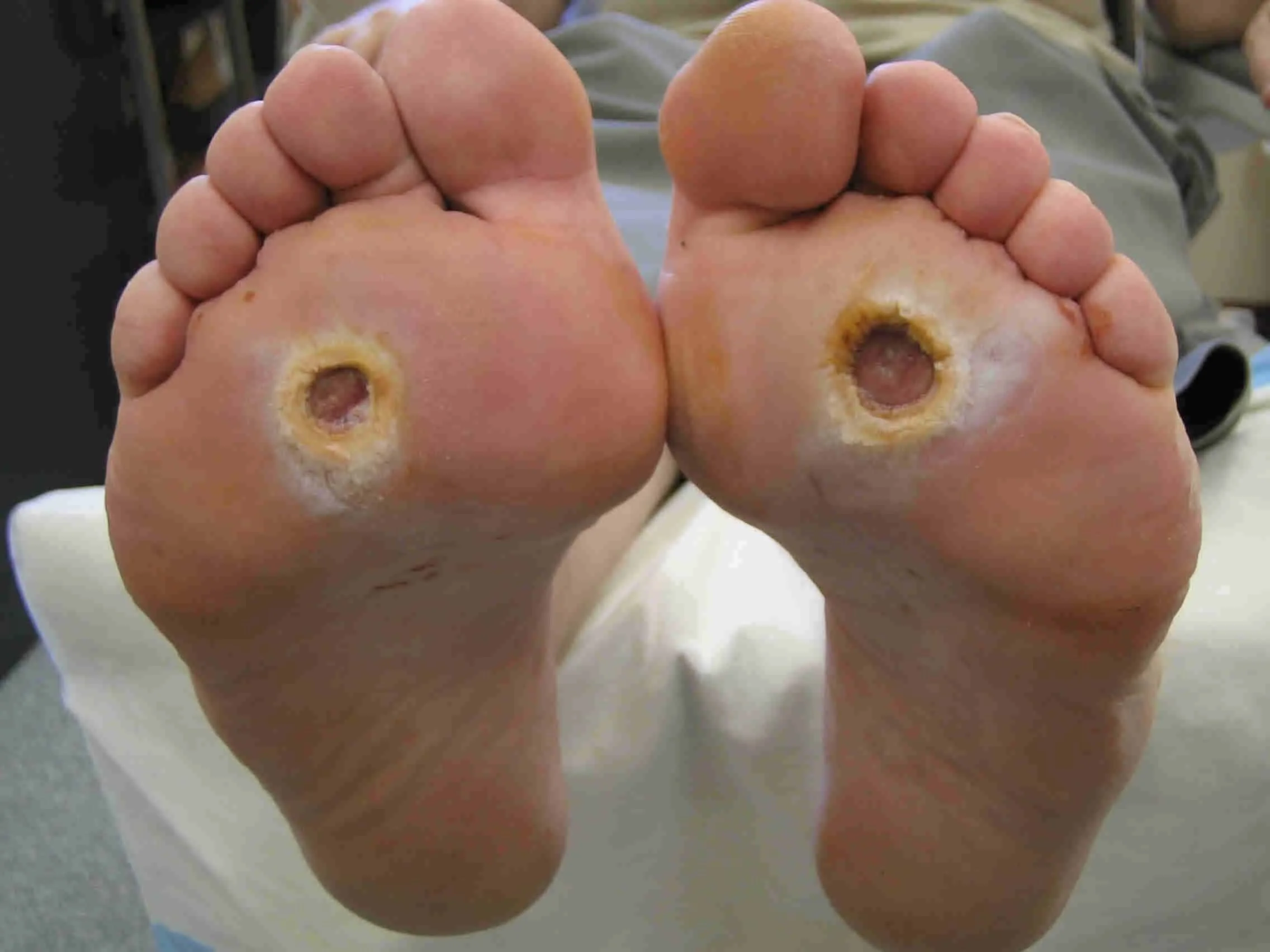
Understanding Diabetic Foot Disease
Why can diabetes cause serious foot problems?
Diabetes can affect both the nerves and the blood vessels supplying the feet. This means an injury may go unnoticed and, once a wound develops, it may be slower or more difficult to heal.
Reduced sensation, pressure on the foot, infection and poor arterial circulation can occur together. In more advanced cases, this combination can threaten the health of the foot or limb.
Early assessment is therefore important, particularly when there is an ulcer, infection, colour change, rest pain or evidence of reduced blood flow.
Problems that may need assessment
- A new foot ulcer or open wound
- A wound that is not healing
- Redness, swelling or discharge
- Pain in the foot at rest
- Coldness or colour change
- Blackened or damaged tissue
- Loss of sensation or numbness
- Recurrent foot infection
Why Problems Develop
Several factors can affect healing
Diabetic foot disease is often caused by more than one problem. Understanding each factor is important when planning treatment.
Neuropathy
Diabetes can damage nerves in the feet, reducing sensation. Cuts, pressure areas or other injuries may therefore go unnoticed.
Poor Circulation
Peripheral arterial disease can reduce the blood supply needed for tissue repair and wound healing.
Infection
Once the skin is broken, infection can develop and may spread into deeper tissues or bone if not treated promptly.
Pressure
Abnormal pressure on parts of the foot can contribute to skin breakdown, particularly when sensation is reduced.
Foot Deformity
Changes in foot shape may create areas of repeated pressure and increase the risk of ulceration.
Previous Ulceration
A previous diabetic foot ulcer or amputation is an important marker of increased future foot risk.
A diabetic foot wound should not simply be watched and waited on
A seemingly small wound may become significantly more difficult to treat when there is reduced sensation, infection or poor arterial blood flow. Early specialist assessment can identify these problems before they progress.
Signs to Look Out For
Changes in the foot that matter
Some diabetic foot problems are painful, but reduced sensation means that serious problems can also develop with surprisingly little discomfort.
Specialist Assessment
Understanding why the wound is not healing
Treatment starts with identifying the factors preventing healing and determining whether the foot has an adequate blood supply.
Assessment may include examination of the wound, infection, sensation, arterial circulation and the pressures acting on the affected area.
Wound Assessment
The position, size, depth and appearance of the ulcer are assessed, together with surrounding tissue.
Circulation Assessment
Arterial pulses and blood flow are assessed to determine whether ischaemia may be delaying healing.
Vascular Imaging
Duplex ultrasound and other vascular imaging may be arranged when more detailed assessment of the arteries is required.
Infection & Tissue Assessment
Signs of infection, tissue damage and possible deeper involvement are considered as part of the overall treatment plan.
Multidisciplinary Care
Diabetic foot care often requires several specialties working together
Complex diabetic foot problems are rarely managed by vascular surgery alone. Effective care brings together expertise in blood flow, wound care, diabetes, infection and pressure relief.
Where required, treatment is coordinated with the wider multidisciplinary diabetic foot team so that each factor contributing to the wound is addressed.
Care may involve
- Vascular surgery
- Diabetology
- Podiatry
- Specialist wound care
- Microbiology and infection management
- Interventional radiology
- Pressure offloading
- Orthopaedic input where appropriate
Treatment
Treating the wound and the reasons behind it
The treatment plan depends on the severity of the wound, circulation, infection and the overall health of the patient.
Restore Blood Flow
If poor arterial circulation is contributing to the problem, revascularisation may be considered to improve blood supply to the foot.
Treat Infection
Infection requires prompt assessment and appropriate treatment, particularly if deeper tissues or bone may be involved.
Offload Pressure
Reducing pressure on the ulcerated area can be essential to allow damaged tissue to heal.
Wound Care
Dressings and specialist wound management help protect the wound and support healing.
Debridement
Dead, damaged or infected tissue may need to be removed where clinically appropriate.
Diabetes & Risk Management
Diabetes control and cardiovascular risk factors remain important components of the overall treatment strategy.
Restoring circulation to support wound healing
Mr Benaragama has specialist experience in complex lower-limb revascularisation and limb preservation, including patients with diabetes and severe arterial disease.
Revascularisation
Improving blood flow can be crucial
A wound cannot heal effectively without an adequate blood supply. When diabetic foot disease is associated with significant arterial narrowing or blockage, improving circulation may become a central part of the treatment plan.
The most appropriate approach depends on the anatomy of the disease, the condition of the limb and the patient's overall health.
Limb Preservation
The aim is to preserve a functional limb wherever possible
Complex diabetic foot disease requires decisions based on the whole patient, not simply the appearance of the wound.
Restore Circulation
Improve arterial blood flow when ischaemia is limiting healing or threatening tissue viability.
Control Infection
Identify and treat infection before it progresses into deeper tissues or causes wider illness.
Support Healing
Combine pressure relief, wound management and appropriate specialist follow-up.
Urgent Diabetic Foot Problems
Some diabetic foot problems require urgent hospital assessment
Seek urgent medical attention for a diabetic foot ulcer associated with fever or signs of severe infection, significant loss of blood supply, suspected deep infection or gangrene. Do not wait for a routine private appointment.
A suddenly red, hot and swollen foot, particularly when there is neuropathy, should also be assessed promptly.
Preventing Further Problems
Ongoing foot care remains important
People with diabetes should have regular foot assessment, with the frequency guided by their individual level of risk.
Anyone who has previously had an ulcer, significant neuropathy, arterial disease or an amputation requires particular attention to preventing further injury.
Practical foot-care measures
- Check your feet regularly for new problems
- Report wounds or skin breakdown promptly
- Wear appropriate footwear
- Attend scheduled diabetic foot checks
- Follow specialist podiatry advice
- Manage diabetes and cardiovascular risk factors
Frequently Asked Questions
Diabetic foot questions
Why do diabetic foot wounds heal slowly?
Several factors may contribute, including reduced arterial blood flow, neuropathy, infection and repeated pressure on the affected area. Treatment needs to address the factors relevant to each individual wound.
Does every diabetic foot ulcer mean poor circulation?
No. Diabetic foot ulcers can develop because of neuropathy, pressure, deformity or infection as well as arterial disease. The circulation should nevertheless be assessed because poor blood flow can significantly affect healing.
How is the circulation to the foot assessed?
Assessment may include examination of arterial pulses, pressure measurements and vascular imaging such as duplex ultrasound. Further imaging may be required if revascularisation is being considered.
Can improving blood flow help an ulcer heal?
Where significant arterial disease is restricting the blood supply, restoring circulation may be an important part of helping the wound to heal and preserving the limb.
What does limb preservation mean?
Limb preservation describes a coordinated approach aimed at treating infection, improving blood flow, managing wounds and protecting the foot in order to preserve as much healthy, functional tissue as possible.
Should a diabetic foot ulcer be assessed urgently?
Active diabetic foot problems should be assessed promptly. Ulcers associated with severe infection, poor blood supply, suspected deep infection or gangrene require urgent hospital assessment.
Diabetic Foot & Limb Preservation
Request a specialist vascular consultation
If you have a diabetic foot wound, concerns about poor circulation or need a specialist vascular opinion regarding limb preservation, please contact the practice by email.
Email to Request a Consultation → benaragama.admin@lips.org.uk