
Specialist Vein Treatment
Varicose Vein Procedures
Modern treatment for symptomatic varicose veins, including radiofrequency ablation, foam sclerotherapy, phlebectomy and surgery where clinically appropriate.
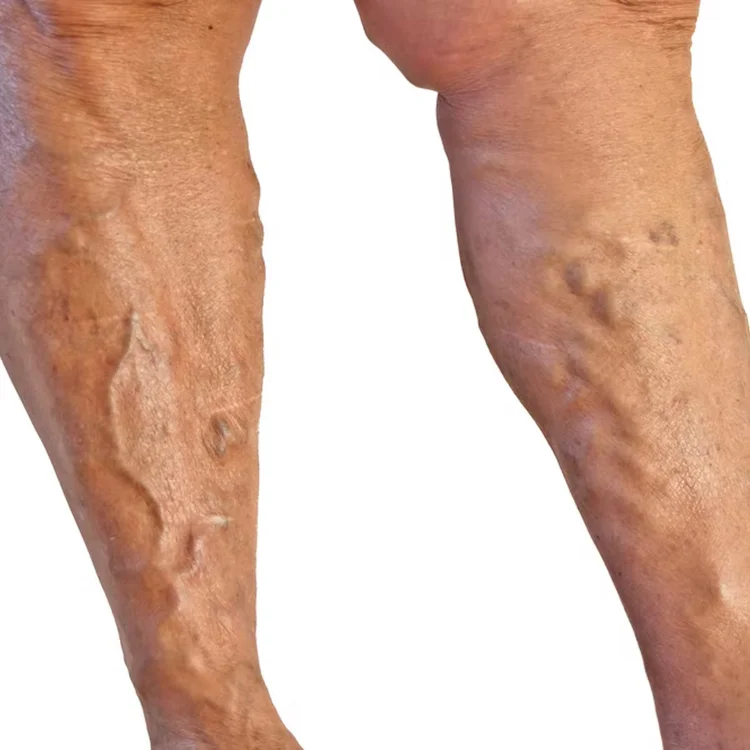
Varicose Vein Treatment
There is no single procedure for every varicose vein
Varicose veins develop when valves within the superficial venous system no longer function effectively, allowing blood to flow backwards and increasing pressure within the veins.
The visible veins at the surface may only be part of the problem. Treatment therefore begins by identifying whether there is underlying venous reflux and which veins are responsible.
Depending on the ultrasound findings, treatment may involve closing an abnormal truncal vein, treating visible tributary veins, or a combination of techniques.
Treatment may be considered when veins cause
- Pain or aching
- Leg heaviness
- Swelling
- Itching or discomfort
- Skin pigmentation or eczema
- Superficial thrombophlebitis
- Venous ulceration
- Troublesome visible varicose veins
Treat the source, not simply the appearance
Large visible veins may be caused by reflux higher within the superficial venous system. Duplex ultrasound helps identify that underlying source before deciding which treatment is appropriate.
A Tailored Approach
Treatment follows the pattern of venous reflux
Modern varicose vein care often combines techniques rather than relying on a single procedure for every patient.
A refluxing truncal vein may be treated with radiofrequency ablation, while prominent tributary veins may require phlebectomy or sclerotherapy.
Conventional vein surgery remains appropriate in selected cases where minimally invasive techniques are not suitable.
Treatment Options
Varicose vein procedures
The most appropriate procedure depends on symptoms, ultrasound findings, venous anatomy and previous treatment.
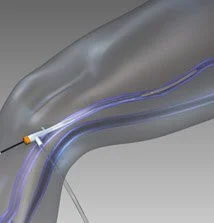
Radiofrequency Ablation
Radiofrequency ablation uses a fine catheter and controlled thermal energy to close an abnormal refluxing superficial vein from within.
Commonly used for suitable patients with truncal venous reflux.
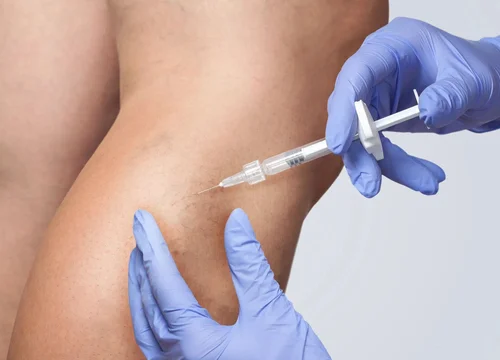
Foam Sclerotherapy
A sclerosant is prepared as a foam and injected into an abnormal vein, causing the vein to close. Ultrasound guidance may be used for deeper or larger veins.
May be used when endothermal treatment is unsuitable or for selected patterns of venous disease.
Phlebectomy
Phlebectomy removes prominent surface varicose veins through a series of very small skin punctures.
It may be performed alongside treatment of the underlying refluxing vein or as a separate procedure.
Thread-Vein Sclerotherapy
Small superficial thread or spider veins may be treated by injecting a sclerosant directly into the affected vessels.
Assessment is important where thread veins are associated with larger varicose veins or underlying reflux.
Endovenous Treatment
Radiofrequency ablation treats the abnormal vein from within
Under ultrasound guidance, a catheter is passed into the refluxing superficial vein. Local anaesthetic solution is placed around the vein and controlled radiofrequency energy is used to close it.
Once closed, blood is naturally redirected through functioning veins.
RFA may be combined with phlebectomy or other treatment for associated surface varicose veins when appropriate.
Sclerotherapy
Injection treatment for abnormal superficial veins
Sclerotherapy involves injecting a specialist solution into the vein, irritating the inner lining and causing the vessel to close.
Different forms of sclerotherapy are used for different vein sizes and patterns of disease.
Surgical Techniques
Treating prominent varicose veins
Minimally invasive treatments have changed modern vein care, but surgical techniques continue to have an important role in selected patients.
Multiple Avulsions / Phlebectomy
Prominent tributary varicose veins can be removed through very small punctures in the skin. These may be treated at the same time as truncal treatment or separately, depending on the individual plan.
Varicose Vein Surgery
Conventional surgery, including ligation or stripping techniques, may still be considered when endothermal treatment and other minimally invasive options are unsuitable.
Before Treatment
Duplex ultrasound determines which procedure is appropriate
The appearance of a vein alone does not determine the best treatment. Duplex ultrasound assesses blood flow through the superficial and deep venous systems and identifies reflux.
The treatment plan is then based on the ultrasound findings together with symptoms, skin changes, previous treatment and individual venous anatomy.
Clinical Consultation
Symptoms, visible veins, swelling, skin changes and previous treatment are reviewed.
Duplex Ultrasound
The superficial and deep veins are mapped to identify reflux and abnormal venous pathways.
Individual Treatment Plan
The most suitable treatment or combination of procedures is discussed.
Choosing a Procedure
What determines the treatment?
Vein Anatomy
Which veins are affected, their size and their relationship to the deep venous system.
Pattern of Reflux
Whether the problem originates from a main superficial trunk, tributary veins or both.
Symptoms
Pain, heaviness, swelling, itching and interference with normal activity are considered.
Skin Changes
Pigmentation, eczema, inflammation and venous ulceration can influence treatment planning.
Previous Procedures
Recurrent varicose veins may require a different strategy from previously untreated disease.
Individual Suitability
Medical history, preferences and procedural risks are considered when choosing treatment.
After Treatment
Recovery depends on the procedure performed
Modern minimally invasive vein procedures generally involve small access sites rather than the larger incisions associated with traditional surgery.
Walking is usually encouraged following treatment. Advice regarding activity, dressings, compression, driving and return to work will depend on the exact procedure performed.
Bruising, tenderness or firmness along treated veins can occur while the tissues settle.
Individual aftercare may include
- Walking following treatment
- Care of small dressings or puncture sites
- Compression where appropriate
- Advice about normal physical activity
- Follow-up according to treatment performed
- Guidance about symptoms requiring review
Treatment Considerations
Benefits and risks are discussed before treatment
The potential risks differ between procedures and depend on individual circumstances. These are reviewed as part of the consent process.
Bruising & Discomfort
Temporary tenderness, bruising and local discomfort can occur following treatment.
Inflammation
Treated superficial veins may occasionally become inflamed or tender.
Altered Sensation
Small sensory nerves can occasionally be affected during vein procedures.
Pigmentation
Temporary or persistent skin pigmentation can occur following some forms of sclerotherapy.
Deep Vein Thrombosis
DVT is an uncommon but important potential complication of varicose vein intervention.
Recurrent Veins
New or recurrent varicose veins may develop over time even after successful treatment.
Specialist Venous Care
Consultant-led varicose vein treatment
Mr Shanka Benaragama is a Consultant Vascular and Endovascular Surgeon at Royal Free London and University College London Hospitals.
His practice includes superficial and complex venous disease and a range of varicose vein procedures selected according to the individual pattern of venous disease.
Procedures include
- Radiofrequency ablation
- Foam sclerotherapy
- Thread-vein sclerotherapy
- Multiple avulsions / phlebectomy
- Varicose vein surgery
- Assessment of recurrent varicose veins
- Management of complex venous disease
Frequently Asked Questions
Varicose vein treatment questions
Which treatment is best for varicose veins?
There is no single best treatment for every patient. The most appropriate procedure depends on symptoms, duplex ultrasound findings and the pattern of venous reflux.
Do I need an ultrasound before treatment?
Duplex ultrasound is used to confirm venous reflux, assess the superficial and deep veins and plan treatment for primary or recurrent varicose veins.
What is radiofrequency ablation?
Radiofrequency ablation is a minimally invasive treatment in which a catheter and controlled thermal energy are used to close an abnormal superficial vein.
What is foam sclerotherapy?
Foam sclerotherapy involves injecting a sclerosant foam into an abnormal vein so that the vein closes. Ultrasound guidance may be used depending on the vein being treated.
What is phlebectomy?
Phlebectomy removes prominent surface varicose veins through very small skin punctures. It may be performed alone or alongside treatment of underlying venous reflux.
Is traditional vein surgery still used?
Yes, in selected patients. Modern treatment often uses minimally invasive techniques, but surgery remains an option when those techniques are unsuitable.
Can more than one procedure be required?
Yes. A refluxing truncal vein and visible surface tributaries may require different treatments, so a combination of techniques can be appropriate.
Can varicose veins return?
Yes. Treatment can successfully address the veins causing the current problem, but venous disease can progress and new or recurrent veins may appear over time.
Varicose Vein Consultation
Request a specialist vein consultation
If you have symptomatic varicose veins, recurrent veins or would like advice about radiofrequency ablation, sclerotherapy or other treatment options, please contact the practice by email.
Email to Request a Consultation → benaragama.admin@lips.org.uk