
Venous Conditions
Varicose Veins
Specialist assessment and modern treatment for varicose veins, leg discomfort and venous symptoms, with minimally invasive options available where appropriate.
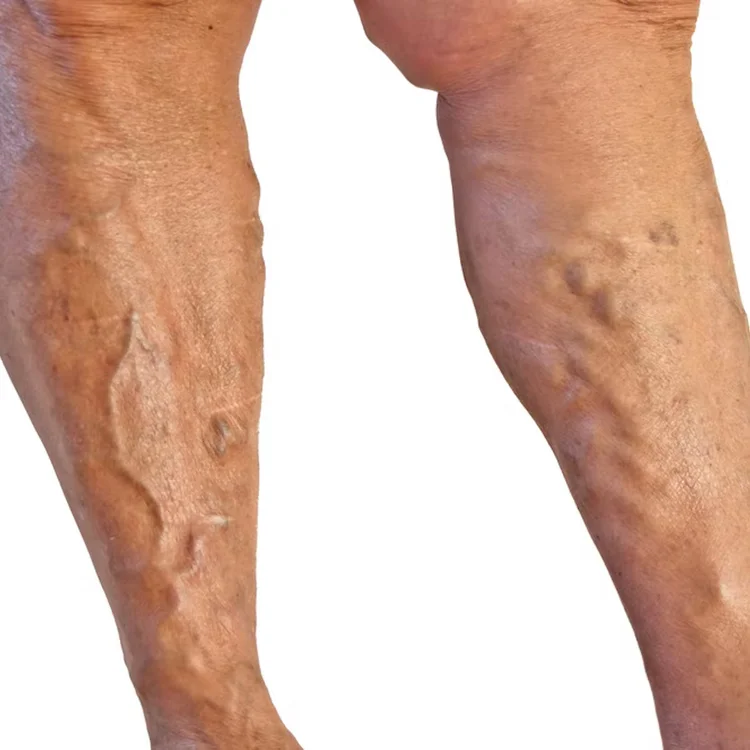
Understanding Varicose Veins
What are varicose veins?
Varicose veins are enlarged, twisted or prominent veins that most commonly develop in the legs.
They occur when the valves within the veins do not work effectively, allowing blood to flow backwards and collect within the vein. This can cause the vein to enlarge and become visible beneath the skin.
For some people varicose veins are mainly a cosmetic concern. For others they can cause aching, heaviness, swelling, itching or skin changes and may indicate more significant underlying venous disease.
Common symptoms
- Visible or bulging veins
- Aching or throbbing in the legs
- Heavy or tired legs
- Ankle or lower-leg swelling
- Itching or irritation around veins
- Skin discolouration or inflammation
- Venous eczema or ulceration in more advanced disease
Symptoms
How can varicose veins affect you?
Symptoms vary from person to person and may become more noticeable after prolonged standing or later in the day.
Visible Veins
Enlarged, twisted or prominent veins may appear blue or purple beneath the skin.
Aching & Heaviness
Legs may feel uncomfortable, heavy or tired, especially after prolonged standing.
Swelling
Fluid may collect around the ankle or lower leg, particularly towards the end of the day.
Itching & Irritation
The skin over or around affected veins may become itchy or irritated.
Skin Changes
Long-standing venous disease can lead to inflammation, pigmentation or thickening of the skin.
Venous Ulcers
More advanced venous disease can contribute to wounds or ulcers, often around the ankle.
Why do varicose veins develop?
Veins in the legs contain valves that help blood travel back towards the heart. If these valves become ineffective, blood can flow backwards and increase pressure within the vein.
Causes & Risk Factors
Venous reflux and increased pressure in the veins
Varicose veins are commonly associated with weakness or failure of the valves within the superficial venous system. A number of factors can increase the likelihood of developing them.
Diagnosis
A clear diagnosis before treatment
Treatment should be based on the underlying pattern of venous disease, rather than the visible veins alone.
Your consultation includes a review of your symptoms, examination of the legs and, where appropriate, a duplex ultrasound scan to assess blood flow and identify venous reflux.
Consultation
Discussion of symptoms, previous vein problems, medical history and concerns.
Examination
Assessment of the veins, swelling, skin changes and overall circulation.
Duplex Ultrasound
Ultrasound can identify abnormal blood flow and help plan the most suitable treatment.
Treatment Options
Modern treatment for varicose veins
Treatment is selected according to the pattern of venous reflux, the veins involved, your symptoms and your individual circumstances.
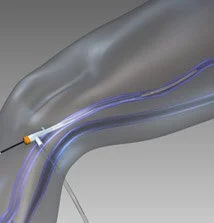
Radiofrequency Ablation
Radiofrequency ablation uses controlled heat energy delivered through a thin catheter to close an abnormal superficial vein.
Blood is then naturally redirected through healthier veins.
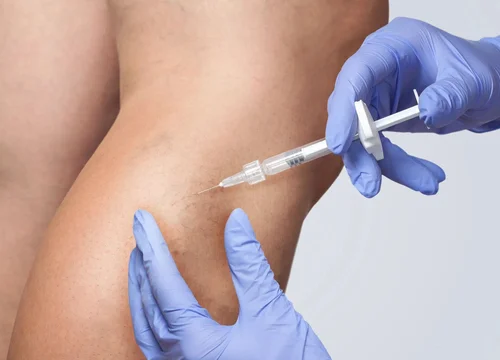
Sclerotherapy
Sclerotherapy involves injecting a treatment into an abnormal vein, causing the vein to close and gradually become less visible.
It may be used for selected varicose veins or smaller residual veins.
Why Consider Treatment?
Treatment is about more than appearance
Varicose veins can affect comfort, mobility and skin health as well as appearance.
Relieve Symptoms
Treatment may help improve aching, heaviness and discomfort associated with venous reflux.
Reduce Swelling
Treating abnormal superficial veins may improve venous congestion in appropriately selected patients.
Protect Skin Health
More advanced venous disease can lead to skin inflammation, pigmentation and ulceration.
When to Seek Assessment
Consider a vascular consultation if…
- Your veins are painful or uncomfortable
- You experience persistent leg swelling
- There are skin changes around the ankle
- You have recurrent vein inflammation
- You have a venous ulcer or a wound that is slow to heal
- You would like to discuss treatment for troublesome visible veins
Urgent Symptoms
Some symptoms need urgent medical attention
Sudden significant swelling or pain in one leg, chest pain or unexplained breathlessness can be associated with conditions such as a blood clot.
Seek urgent medical assessment rather than waiting for a routine private consultation if you develop acute or severe symptoms.
Frequently Asked Questions
Varicose vein questions
Do all varicose veins need treatment?
No. Treatment depends on your symptoms, examination findings, ultrasound results and your individual circumstances. Some varicose veins may not require intervention.
Will I need an ultrasound scan?
A duplex ultrasound is commonly used when planning treatment because it shows how blood is flowing through the veins and can identify venous reflux.
Is radiofrequency ablation surgery?
Radiofrequency ablation is a minimally invasive endovenous procedure. A catheter is introduced into the affected vein and heat energy is used to close it.
Can varicose veins come back after treatment?
Treatment can successfully close or remove abnormal veins, but venous disease can progress over time and new varicose veins can sometimes develop.
Which treatment is best for me?
The most appropriate option depends on the veins involved, your duplex ultrasound findings, symptoms, previous treatment and individual health considerations.
Varicose Vein Consultation
Request a private vascular consultation
If you have troublesome varicose veins, leg symptoms or would like to discuss treatment options, please contact the practice by email.
Email to Request a Consultation → benaragama.admin@lips.org.uk