
Complex Lower Limb Vascular Care
Diabetic Foot & Limb Salvage
Specialist vascular assessment and revascularisation for diabetic foot disease, non-healing wounds and threatened limbs, with treatment focused on restoring circulation and preserving the limb wherever possible.
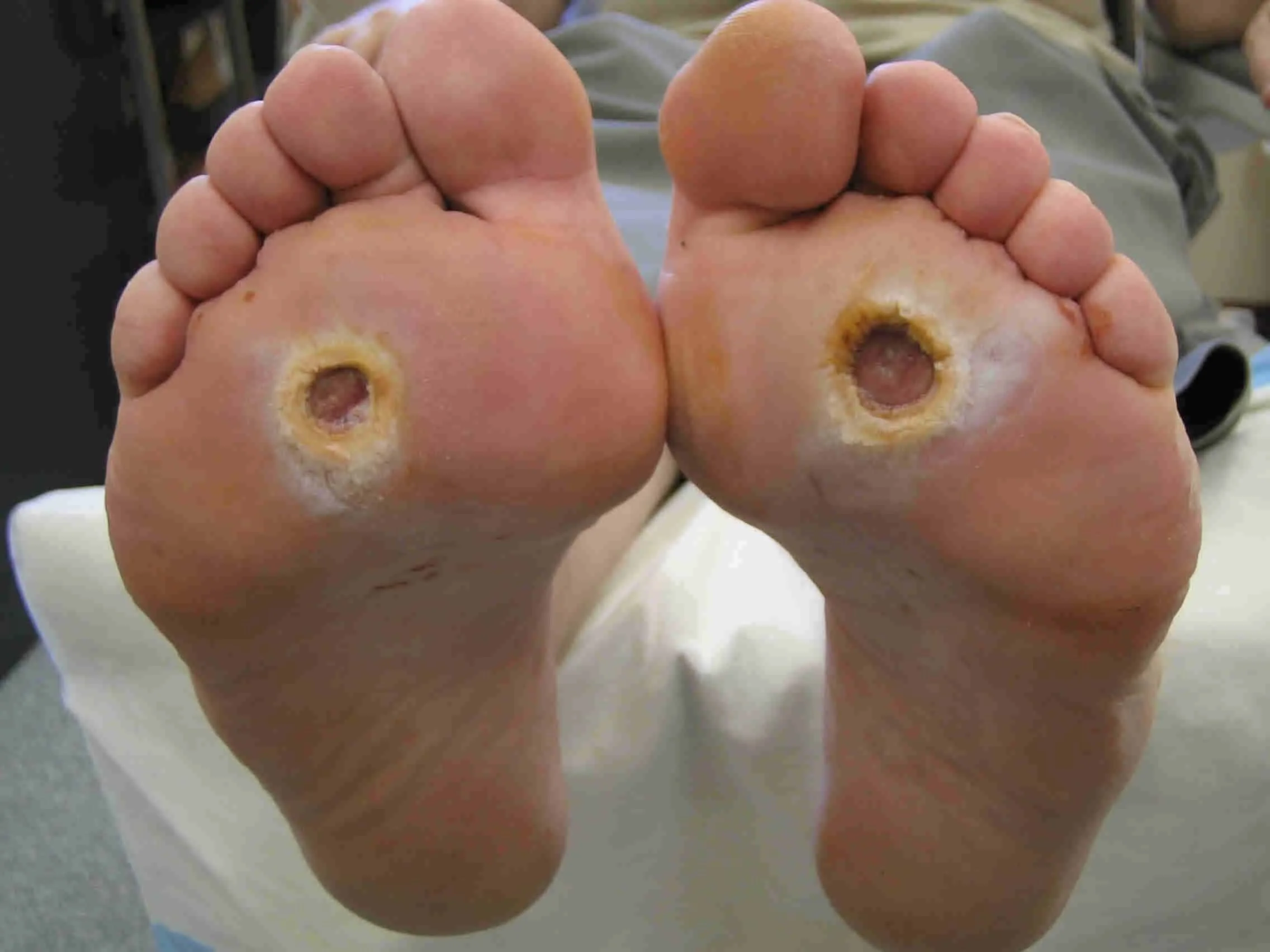
Understanding Limb Salvage
A diabetic foot wound can be a vascular problem
Foot ulcers in people with diabetes can result from a combination of reduced sensation, pressure, infection and poor arterial circulation.
When blood supply to the foot is significantly reduced, a wound may struggle to heal and tissue can become threatened. Restoring blood flow may therefore be an essential part of treatment.
Limb salvage brings vascular assessment, revascularisation and wound management together with the wider multidisciplinary care required for complex diabetic foot disease.
Specialist vascular assessment may be needed for
- A diabetic foot ulcer that is not healing
- Reduced blood supply to the foot
- Rest pain in the foot or toes
- Gangrene or tissue loss
- Recurrent or complex foot wounds
- Suspected chronic limb-threatening ischaemia
- A threatened limb where revascularisation may be possible
Treat the whole problem, not simply the wound
Dressings alone cannot correct severe arterial insufficiency. Successful limb preservation may require treatment of circulation, infection, tissue loss, pressure and the wound itself.
Complex Diabetic Foot Disease
Healing depends on more than wound care
A diabetic foot ulcer may look like a local problem, but the factors preventing healing can be complex. Reduced arterial blood flow is particularly important because adequate circulation is needed to deliver oxygen and support tissue healing.
Vascular assessment therefore asks a critical question: is there enough blood reaching the foot to support healing, and if not, can circulation be improved?
Limb Preservation
Three priorities in vascular limb salvage
Treatment is individualised, but successful limb preservation commonly depends on circulation, wound control and coordinated care.
Restore Blood Flow
Where arterial disease is limiting healing, endovascular or open revascularisation may be considered to improve circulation to the foot.
Control the Wound
Wound care may include debridement, dressings, pressure relief and treatment of infection according to the individual clinical situation.
Preserve Function
The aim is not simply wound closure, but preservation of a viable and functional limb wherever this can safely and realistically be achieved.
Vascular Assessment
Establishing whether poor circulation is preventing healing
Assessment considers the wound, arterial circulation, infection, sensation and the overall condition of the foot.
Vascular examination and non-invasive testing can be combined with duplex ultrasound and, where required, more detailed arterial imaging.
In people with diabetes, vascular test results need to be interpreted carefully because arterial calcification can affect some pressure measurements.
Clinical Examination
The wound, foot, circulation, tissue viability and signs of infection are assessed.
Vascular Testing
Circulatory assessment and duplex ultrasound help establish the pattern of arterial disease.
Arterial Imaging
CT, MR or catheter angiography may be used when detailed revascularisation planning is required.
Limb Salvage Plan
Circulation, wound care, infection and pressure management are brought together into an individual treatment strategy.
Lower Limb Revascularisation
Improving blood flow to support healing
When arterial disease is contributing to tissue loss or a non-healing wound, revascularisation may be required to improve blood supply to the foot.
Treatment can use endovascular techniques, open bypass surgery, or a combination of approaches depending on the distribution of arterial disease, available vessels, wound severity and individual health.
Revascularisation options may include
- Balloon angioplasty
- Arterial stenting where appropriate
- Advanced endovascular techniques
- Lower limb bypass surgery
- Complex lower-limb revascularisation
- Combined open and endovascular strategies
Treatment Strategy
More than one treatment may be needed
Complex diabetic foot disease often requires several aspects of care to progress together rather than one isolated procedure.
Revascularisation
Angioplasty, stenting, bypass surgery or other vascular techniques may be used to restore blood flow when arterial disease is compromising tissue viability or wound healing.
Wound Management
Appropriate dressings, wound review, debridement and ongoing assessment of tissue viability form part of the wider limb-preservation strategy.
Infection Control
Infection can progress rapidly in a diabetic foot. Assessment and treatment are coordinated according to severity and may require urgent multidisciplinary management.
Offloading & Protection
Reducing pressure on an ulcerated area can be an important part of healing and preventing further tissue damage.
Multidisciplinary Care
Complex diabetic foot disease needs coordinated treatment
Limb salvage is rarely achieved by vascular intervention alone. Diabetes, infection, pressure, neuropathy, wound condition and arterial circulation can all influence the outcome.
Multidisciplinary care allows these problems to be addressed together, with vascular treatment integrated into the wider management of the foot.
Coordinated care may involve
- Vascular surgery
- Diabetic foot specialists
- Diabetes care
- Podiatry
- Wound care
- Infection management
- Orthopaedic input where required
- Rehabilitation and pressure management
Limb Salvage Pathway
From assessment to healing
The sequence varies according to urgency, but the aim is to identify threats to the limb early and address them systematically.
Assess
Evaluate the wound, circulation, infection, tissue viability and wider clinical situation.
Image
Define the arterial disease and determine whether revascularisation is required and technically possible.
Revascularise
Improve arterial blood supply using the most appropriate endovascular, open or combined strategy.
Heal & Protect
Continue wound care, pressure management and surveillance to support healing and reduce recurrence.
Specialist Limb Preservation
Complex lower-limb revascularisation expertise
Mr Shanka Benaragama is a Consultant Vascular and Endovascular Surgeon at Royal Free London and University College London Hospitals.
His specialist practice includes diabetic foot disease, complex wound management and lower-limb revascularisation. He completed a national lower-limb salvage fellowship and has a particular clinical focus on preserving threatened limbs.
Specialist care includes
- Diabetic foot vascular assessment
- Complex lower-limb revascularisation
- Angioplasty and stenting
- Lower-limb bypass surgery
- Chronic limb-threatening ischaemia
- Complex wound and ulcer management
- Multidisciplinary limb-preservation planning
Urgent Diabetic Foot Problems
Some diabetic foot problems require urgent hospital assessment
A foot with gangrene, rapidly spreading infection, severe ischaemia, systemic illness or another limb- or life-threatening problem requires urgent assessment through the appropriate acute NHS service rather than waiting for a routine private consultation. A new ulcer, unexplained hot or swollen foot, or other active diabetic foot problem should also be assessed promptly.
Frequently Asked Questions
Diabetic foot and limb salvage questions
Why is a vascular surgeon involved in diabetic foot care?
Diabetes can be associated with peripheral arterial disease. If reduced blood flow is preventing a wound from healing or threatening tissue viability, vascular treatment may be required to improve circulation.
Can poor circulation stop a foot ulcer healing?
Yes. Adequate blood flow is important for tissue healing. When arterial circulation is significantly reduced, revascularisation may be considered as part of the overall wound-treatment plan.
What does limb salvage mean?
Limb salvage describes coordinated treatment aimed at preserving a threatened limb where this is clinically achievable. It may involve restoring circulation, treating infection, managing the wound and relieving pressure.
How can blood flow to the foot be improved?
Depending on the pattern of arterial disease, treatment may include balloon angioplasty, stenting, bypass surgery or a combination of open and endovascular techniques.
Does every diabetic foot ulcer need an operation?
No. Treatment depends on the cause and severity of the ulcer. Surgery or vascular intervention is considered when there is a clinical reason, such as inadequate arterial circulation that may benefit from revascularisation.
What tests are used to assess circulation?
Assessment can include clinical examination, non-invasive vascular tests and duplex ultrasound. CT, MR or catheter angiography may be used when detailed arterial imaging is required for treatment planning.
Why is multidisciplinary care important?
A diabetic foot problem can involve circulation, infection, neuropathy, pressure and diabetes itself. Coordinated care allows these factors to be treated together rather than in isolation.
When is a diabetic foot problem urgent?
Gangrene, severe ischaemia, rapidly progressing infection or systemic illness can represent a limb- or life-threatening problem and require urgent hospital assessment. Other active diabetic foot problems also require prompt specialist review.
Limb Preservation Consultation
Request a specialist vascular assessment
If you have a diabetic foot wound, non-healing ulcer, poor circulation or have been advised that lower-limb revascularisation may be required, please contact the practice for a specialist vascular opinion.
Email to Request a Consultation → benaragama.admin@lips.org.uk